Solution Architecture: Designing the Blueprint for Innovation
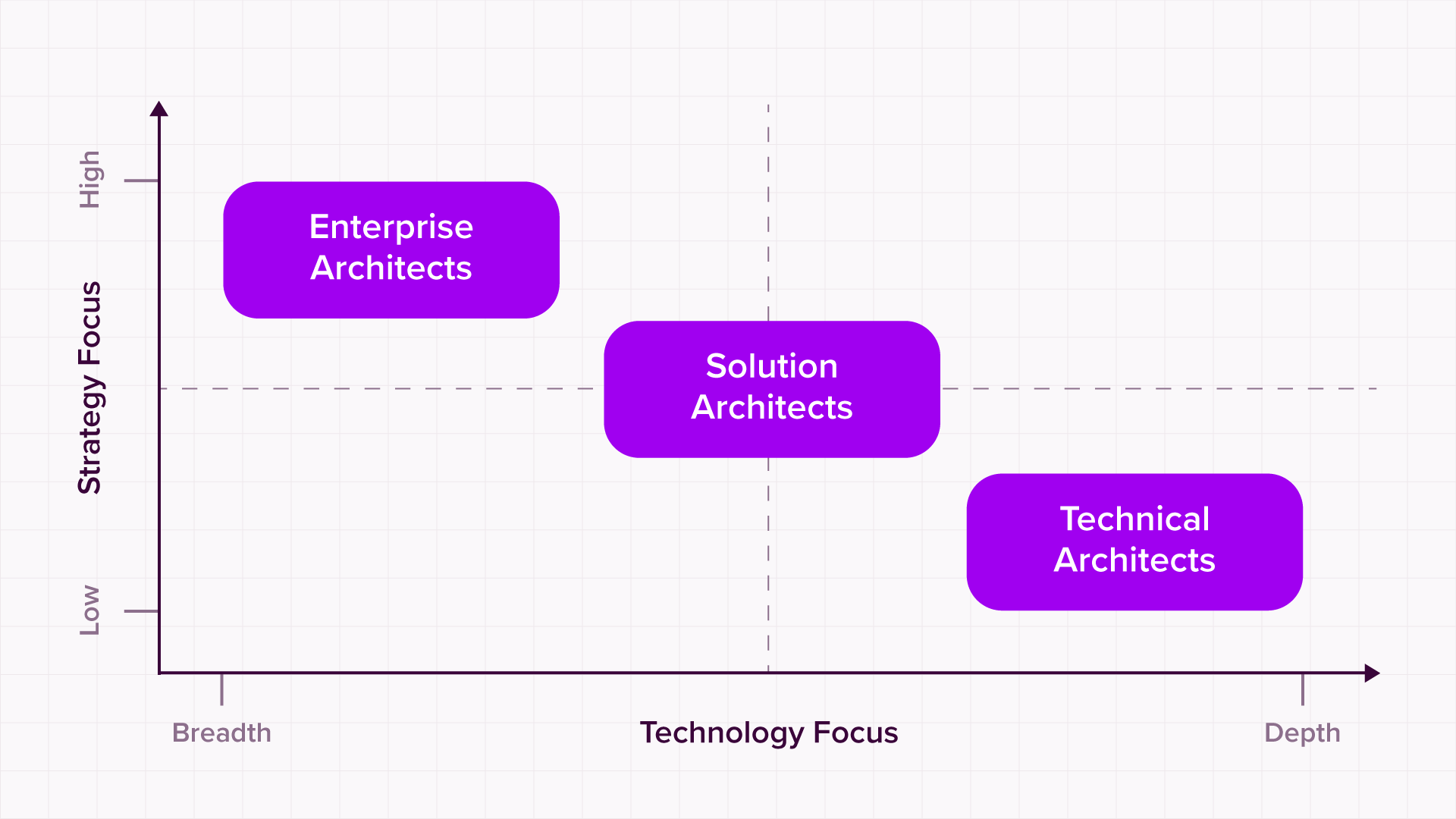
In today’s fast-paced digital world, building the right solution is just as important as building it the right way. Solution Architecture is the practice that ensures technology initiatives are scalable, secure, and aligned with business goals — serving as the critical link between business strategy and technical execution.
What is Solution Architecture?
Solution Architecture is the process of designing, describing, and managing the solution engineering process to solve specific business problems. A Solution Architect defines how systems interact, what technologies to use, and how data and services are integrated across the enterprise.
It provides a structured framework for building IT solutions that are:
- Technically sound
- Aligned with organizational needs
- Scalable and maintainable over time
Why Solution Architecture Matters
- Aligns Technology with Business Goals
- Solution Architects translate strategic vision into technical designs that deliver real-world impact.
- Reduces Risk and Complexity
- By planning architecture upfront, they identify potential pitfalls and dependencies before development begins.
- Ensures Scalability and Performance
- They design systems that grow with demand and deliver consistent performance under load.
- Promotes Reusability and Efficiency
- Well-architected solutions reuse components and services, reducing development time and cost.
- Enhances Security and Compliance
- A solution architecture considers security, data privacy, and compliance requirements from the start.
Key Responsibilities of a Solution Architect
- Evaluate business requirements and translate them into technical solutions
- Define system architecture (frontend, backend, APIs, databases, infrastructure)
- Choose appropriate technologies, platforms, and tools
- Collaborate with stakeholders, developers, and project managers
- Create architectural documentation and oversee its implementation
Technologies and Tools
Solution Architects work with:
- Cloud platforms like Azure, AWS, or Google Cloud
- Architecture patterns such as microservices, serverless, or layered architecture
- Modeling tools like ArchiMate, UML, or enterprise diagrams
- DevOps tools for CI/CD and infrastructure-as-code
Real-World Impact
From launching mobile banking apps to modernizing legacy ERP systems, Solution Architects play a central role in:
- Digital transformation initiatives
- Enterprise system integrations
- Custom application development
- Platform migration and cloud adoption
Conclusion
Solution Architecture is the foundation of successful digital solutions. It ensures that innovation is not only visionary — but also practical, reliable, and ready to scale. As businesses embrace complex systems and diverse platforms, the role of Solution Architects becomes more vital than ever.
Posted: Jun 19 2025, 03:20am
Reviews
Latest News
Posted: Jun 19 2025, 01:56pm
Posted: Jun 19 2025, 03:51am
Posted: Jun 19 2025, 03:48am
Posted: Jun 19 2025, 03:42am
Posted: Jun 19 2025, 03:36am
Posted: Jun 19 2025, 03:27am
Posted: Jun 19 2025, 03:23am
Posted: Jun 19 2025, 03:20am
Posted: Jun 19 2025, 03:13am
Posted: Jun 19 2025, 03:07am
Posted: Jun 19 2025, 02:58am
Posted: Jun 19 2025, 02:55am
Posted: Jun 19 2025, 02:47am
Posted: Jun 18 2025, 07:42pm
Posted: Jun 18 2025, 07:38pm
Posted: Jun 18 2025, 07:29pm
Posted: Jun 18 2025, 07:26pm
Posted: Jun 18 2025, 07:21pm
Posted: Jun 18 2025, 06:56pm
Artificial Intelligence
Posted: Jun 18 2025, 06:56pm
Business Analysis
Posted: Jun 18 2025, 07:26pm
Posted: Jun 19 2025, 03:13am
Business Analysis
Posted: Jun 18 2025, 07:26pm
Posted: Jun 19 2025, 03:13am
Business Transformation
Posted: Jun 19 2025, 02:58am
Consultation, Coaching and Training
Posted: Jun 19 2025, 01:56pm
Data
Posted: Jun 18 2025, 07:29pm
Data Analysis & Reporting
Posted: Jun 19 2025, 03:36am
Design, Build and Test
Posted: Jun 19 2025, 03:48am
Posted: Jun 19 2025, 03:51am
Design, Build and Test
Posted: Jun 19 2025, 03:48am
Posted: Jun 19 2025, 03:51am
Digital Cloud
Posted: Jun 18 2025, 07:21pm
Energy
Posted: Jun 19 2025, 02:55am
Energy & Infrastructure
Posted: Jun 19 2025, 03:27am
HR & Payroll
Posted: Jun 19 2025, 03:42am
Information Security
Posted: Jun 18 2025, 07:38pm
Infrastructure
Posted: Jun 18 2025, 07:42pm
Product Development
Posted: Jun 19 2025, 03:23am
Project Management
Posted: Jun 19 2025, 03:07am
Solution Architecture
Posted: Jun 19 2025, 03:20am
Technology
Posted: Jun 19 2025, 02:47am